Spicy Thai Noodles
Introduction
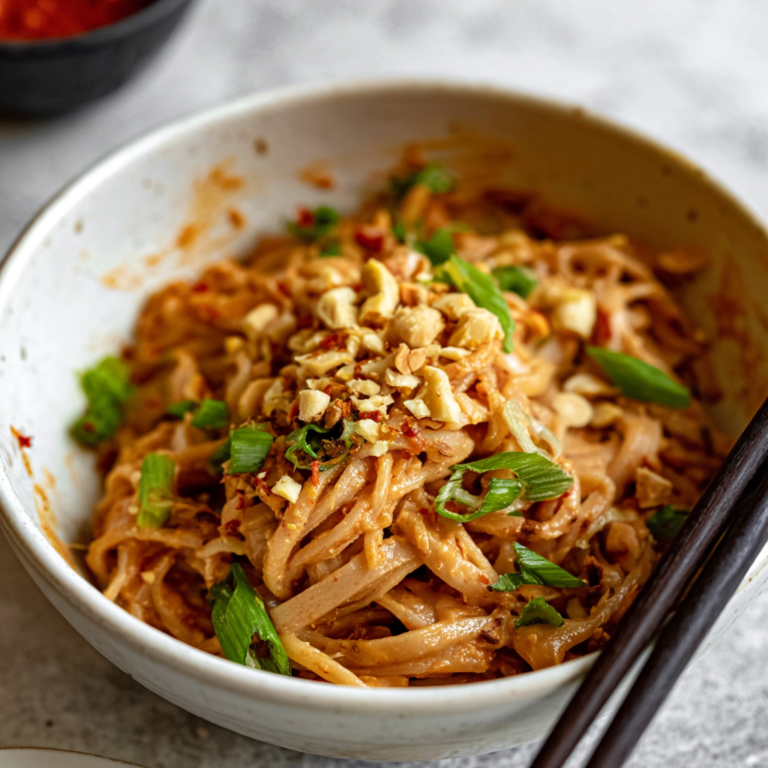
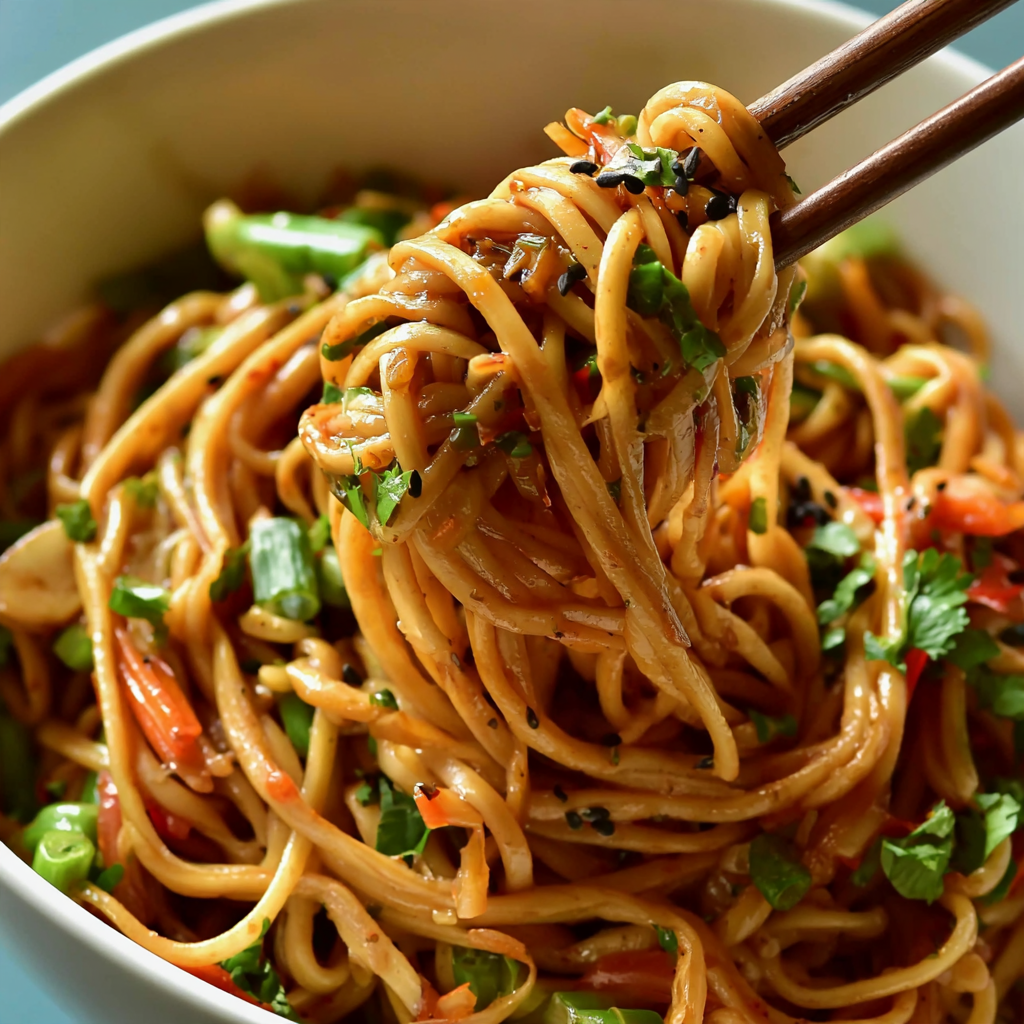
These Spicy Thai Noodles are a simple, bold-flavored pasta dish with plenty of sesame, chili, and a touch of sweetness. Linguine is tossed in a savory sauce made with toasted sesame oil, soy sauce, honey, chili paste, and red pepper flakes, then finished with fresh and crunchy toppings.
The recipe is flexible, too. You can adjust the red pepper flakes and Sriracha to make it as mild or spicy as you like. Carrots and scallions add freshness and crunch, while peanuts and sesame seeds give the noodles a satisfying texture.
It makes an easy weeknight dinner, quick lunch, or flavorful side dish when you want something different from a traditional pasta meal.
Quick Recipe Overview
| Category | Details |
|---|---|
| Prep Time | 10 minutes |
| Cook Time | 10 minutes |
| Total Time | 20 minutes |
| Servings | 4–6 |
| Difficulty | Easy |
| Cuisine | Thai-inspired |
| Course | Main Course / Side Dish |
Ingredients
For the Noodles
- 1 lb linguine pasta, or fettuccine or spaghetti
- 2 tablespoons vegetable oil
For the Spicy Sauce
- ⅓–½ cup toasted sesame oil
- 6 tablespoons soy sauce
- 6 tablespoons honey
- 1½ teaspoons chili paste
- ½–1½ tablespoons red pepper flakes, adjusted to taste
For Garnishing
- Scallions, sliced
- Carrots, julienned or grated
- Peanuts, chopped
- Fresh cilantro
- Sriracha, to taste
- Sesame seeds
Step-by-Step Instructions
1. Cook the pasta
Bring a large pot of salted water to a boil. Cook the linguine according to the package directions until al dente.
Before draining, reserve about ½ cup of the pasta water. Drain the pasta well and set it aside.
2. Prepare the spicy sauce
While the pasta cooks, combine the toasted sesame oil, soy sauce, honey, chili paste, and red pepper flakes in a bowl.
Start with the smaller amount of red pepper flakes if you’re unsure about the heat. You can always add more later.
Whisk until the honey is evenly incorporated into the sauce.
3. Warm the oil
Heat the vegetable oil in a large skillet over medium heat.
Add the cooked pasta and gently toss it in the skillet for about 1 minute.
4. Add the sauce
Pour the spicy sesame sauce over the noodles.
Toss continuously until the pasta is evenly coated and the sauce is warmed through, about 1–2 minutes.
If the noodles seem too dry or the sauce isn’t spreading evenly, add a small splash of reserved pasta water and toss again.
5. Taste and adjust
Taste the noodles and adjust the seasoning.
Add more Sriracha or red pepper flakes if you want more heat. If you prefer a sweeter flavor, a small amount of additional honey can be added.
6. Add the toppings
Transfer the noodles to a serving dish or individual bowls.
Top with sliced scallions, carrots, chopped peanuts, cilantro, and sesame seeds. Add a drizzle of Sriracha for extra spice.
Serve warm.
Recipe Tips for Success
- Cook the pasta al dente. It will continue cooking slightly when tossed with the warm sauce.
- Start with less chili. Red pepper flakes and Sriracha can be increased after tasting, but it’s difficult to reduce the heat once too much has been added.
- Use toasted sesame oil for flavor. Its strong nutty character is an important part of the sauce, so a little goes a long way.
- Don’t overheat the sesame oil. Add the sauce after the pasta is cooked rather than aggressively frying it.
- Reserve pasta water. A small splash can help loosen the sauce and make it coat the noodles more evenly.
- Slice the carrots thinly. Julienned or finely shredded carrots blend into the noodles much better than large pieces.
- Add peanuts just before serving. This helps them retain their crunch.
Ingredient Substitutions
Pasta
Linguine is ideal, but spaghetti, fettuccine, or another long pasta can be used.
Soy Sauce
For a gluten-free version, use gluten-free tamari or a gluten-free soy sauce.
Honey
Maple syrup can be used instead of honey if you prefer a plant-based sweetener.
Vegetable Oil
Neutral oils such as canola or avocado oil can replace the vegetable oil.
Peanuts
If you don’t have peanuts, chopped cashews can provide a similar crunchy topping.
Recipe Variations
Extra-Spicy Thai Noodles
Increase the red pepper flakes and finish the noodles with additional Sriracha.
Thai Noodles With Vegetables
Add thinly sliced bell peppers, broccoli, snap peas, or extra carrots for a vegetable-packed version.
Thai Peanut Noodles
Stir a few tablespoons of creamy peanut butter into the sauce for a richer, nutty variation.
Thai Chicken Noodles
Add sliced cooked chicken breast or grilled chicken for a more filling main dish.
Fresh Lime Version
Finish the noodles with fresh lime juice and extra cilantro for a brighter flavor.
Storage and Reheating
Store leftover noodles in an airtight container in the refrigerator.
For best quality, enjoy them within 3–4 days.
The noodles may absorb some of the sauce as they sit. When reheating, add a small splash of water and gently warm them in a skillet over low to medium heat.
You can also reheat individual portions in the microwave, stirring halfway through.
The fresh garnishes are best added after reheating rather than before storage.
Serving Suggestions
These noodles can be served as a complete meal or alongside other dishes.
Good additions include:
- Thai-style cucumber salad
- Steamed broccoli
- Stir-fried vegetables
- Grilled chicken
- Shrimp
- Crispy tofu
- Spring rolls
- Edamame
For serving, add plenty of scallions, fresh cilantro, chopped peanuts, sesame seeds, and a little Sriracha.
A squeeze of fresh lime is also a nice finishing touch if you enjoy a brighter, more acidic flavor.
Nutrition Information
Estimated per serving, assuming 6 servings and excluding optional garnish amounts. Actual nutrition will vary depending on the pasta, soy sauce, honey, oil, and toppings used.
- Calories: ~470
- Protein: ~10 g
- Carbohydrates: ~62 g
- Fat: ~21 g
- Saturated Fat: ~3 g
- Fiber: ~3 g
- Sugar: ~19 g
- Sodium: ~1,100 mg
Frequently Asked Questions
Can I make Spicy Thai Noodles ahead of time?
Yes. They can be prepared ahead and refrigerated. For the best texture, keep the fresh garnishes separate and add them immediately before serving.
How can I make the noodles less spicy?
Use only a small amount of red pepper flakes and skip or reduce the Sriracha. You can add more heat later if needed.
Can I use spaghetti instead of linguine?
Yes. Spaghetti, fettuccine, and other long pasta shapes work well with this sauce.
Can I add vegetables?
Absolutely. Thinly sliced carrots, bell peppers, broccoli, snap peas, and cabbage are all good additions.
Can I add chicken?
Yes. Sliced cooked chicken breast or thighs can be tossed into the finished noodles for a more substantial meal.
Why are my noodles dry?
Pasta absorbs sauce as it sits. Add a small amount of reserved pasta water when tossing the noodles, and add another splash when reheating leftovers if necessary.
Can I make these noodles gluten-free?
Yes. Use gluten-free pasta and replace regular soy sauce with gluten-free tamari or another certified gluten-free alternative.
Can I use maple syrup instead of honey?
Yes. Maple syrup is a practical substitute and works well with the soy, sesame, and chili flavors.
Final Thoughts
These Spicy Thai Noodles are a great example of how a few strong flavors can turn everyday pasta into something completely different. The sesame oil, soy sauce, honey, and chili create a savory-sweet sauce, while the fresh garnishes bring crunch and freshness to every bite.
Adjust the heat to your liking, add your favorite vegetables or protein, and serve the noodles warm for an easy meal.
PrintSpicy Thai Noodles
These Spicy Thai Noodles are a quick, flavorful, and easy dinner made with linguine tossed in a spicy Thai-inspired sauce. A delicious combination of toasted sesame oil, soy sauce, honey, chili paste, and red pepper flakes creates a sweet, savory, and spicy noodle dish that comes together in just minutes.
- Prep Time: 10 minutes
- Cook Time: 10 minutes
- Total Time: 20 minutes
- Yield: 4–6 servings
- Category: Dinner
- Method: Stovetop
- Cuisine: Thai-Inspired
- Diet: Vegetarian
Ingredients
- 1 lb linguine pasta, or fettuccine or spaghetti
- ½–1½ tablespoons red pepper flakes, depending on desired spice level
- 2 tablespoons vegetable oil
- ⅓–½ cup toasted sesame oil
- 1½ teaspoons chili paste
- 6 tablespoons soy sauce
- 6 tablespoons honey
- Scallions, sliced, for garnish
- Carrots, julienned or shredded, for garnish
- Peanuts, chopped, for garnish
- Fresh cilantro, chopped, for garnish
- Sriracha, for garnish
- Sesame seeds, for garnish
Instructions
- Bring a large pot of salted water to a boil. Cook the linguine according to the package directions until tender. Drain well and set aside.
- While the pasta cooks, prepare the sauce. In a bowl, whisk together the toasted sesame oil, vegetable oil, soy sauce, honey, chili paste, and red pepper flakes until well combined.
- Place the cooked noodles in a large bowl or skillet and pour the spicy sauce over them.
- Toss the noodles thoroughly until they are evenly coated with the sauce.
- Taste and adjust the spice level by adding more red pepper flakes or Sriracha if desired.
- Serve warm or at room temperature and garnish with scallions, carrots, chopped peanuts, cilantro, and sesame seeds.
Notes
- Adjust the red pepper flakes according to your preferred spice level.
- For extra heat, drizzle Sriracha over the noodles before serving.
- You can use linguine, fettuccine, spaghetti, or another favorite pasta.
- Add cooked chicken, shrimp, tofu, or vegetables to make the noodles more filling.
- For the best flavor, use toasted sesame oil rather than regular sesame oil.
- These noodles can be served warm, chilled, or at room temperature.