Lemon Cake with a Secret Fluffy Lemon Frosting
Introduction
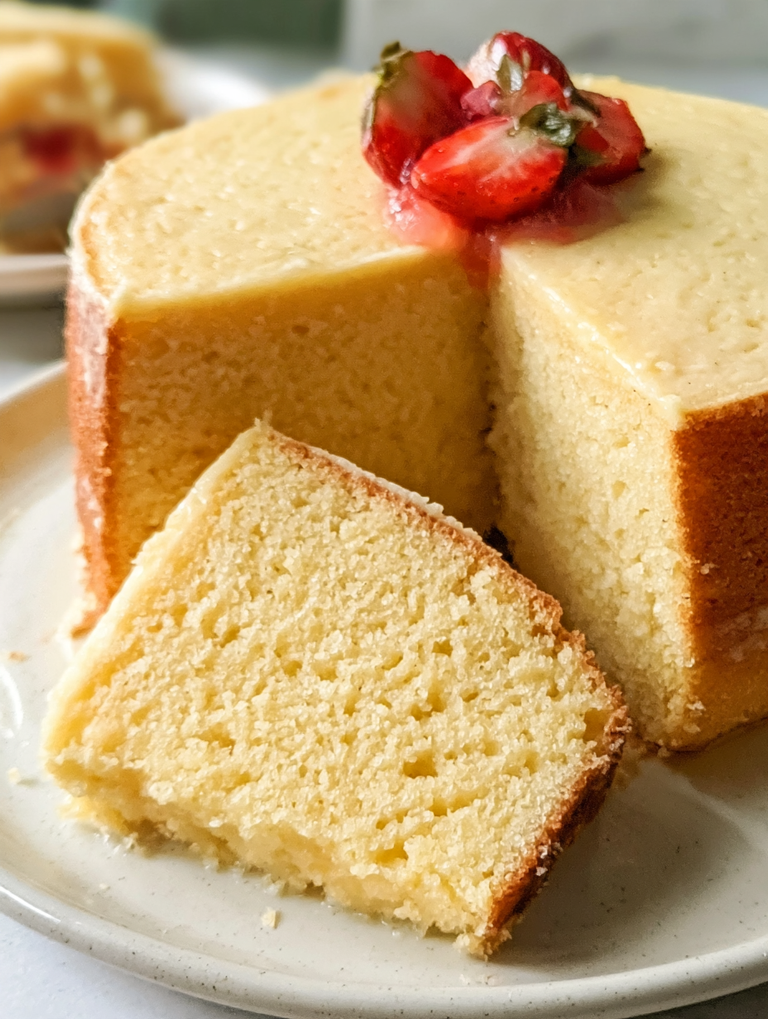
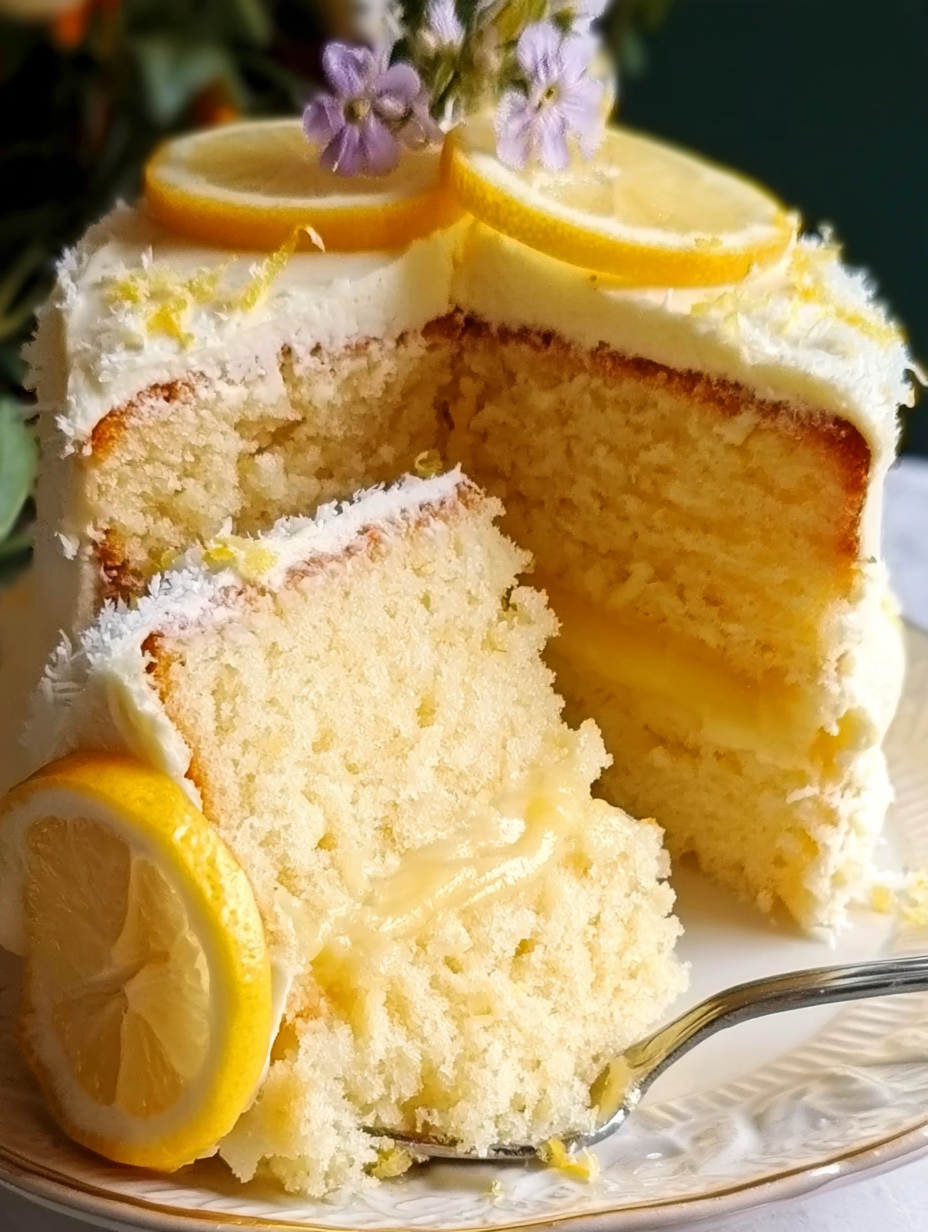
This Lemon Cake is bright, soft, and full of fresh lemon flavor, with a wonderfully tender crumb and a creamy lemon frosting that is lighter and less sweet than traditional buttercream.
Fresh lemon zest and lemon juice give the cake its natural citrus flavor, while a small amount of lemon extract adds extra depth. The cake itself is made with simple baking ingredients and is finished with a unique cooked-flour frosting that becomes incredibly smooth and fluffy once the butter is incorporated.
The frosting is especially nice if you enjoy lemon desserts but find traditional buttercream too sweet. Serve this cake for birthdays, afternoon tea, spring celebrations, or whenever you want a fresh homemade dessert.
Quick Recipe Overview
- Prep Time: 25 minutes
- Cook Time: 30–35 minutes
- Cooling Time: 1 hour
- Total Time: About 2 hours
- Servings: 10–12
- Difficulty: Moderate
- Cuisine: American-inspired
- Course: Dessert
Ingredients
Lemon Cake
- 2 cups plain / all-purpose flour
- 2 1/2 teaspoons baking powder
- 1/4 teaspoon salt
- 4 large eggs, 50–55 g each, at room temperature
- 1 1/2 cups caster / superfine sugar
- 115 g (1/2 cup) unsalted butter, cut into approximately 1.5 cm cubes
- 1 cup full-fat milk
- 3 teaspoons vanilla extract
- 3 teaspoons vegetable or canola oil
- 3 tablespoons lemon zest, from approximately 2 lemons
- 1/3 cup fresh lemon juice
- 1/4 teaspoon natural lemon extract or lemon oil, optional
Less-Sweet Lemon Frosting
- 6 1/2 tablespoons plain / all-purpose flour
- 1 1/3 cups full-fat milk
- 1 1/3 cups caster / superfine white sugar
- 300 g (1 1/3 cups) unsalted butter, softened
- 3 teaspoons lemon zest, from approximately 1 lemon
- 4 tablespoons fresh lemon juice
Step-by-Step Instructions
1. Prepare the cake pans
Preheat your oven to 350°F (180°C).
Grease and line your cake pans with parchment paper. This helps the finished cake release easily after baking.
2. Combine the dry ingredients
Whisk together the flour, baking powder, and salt in a bowl.
Set aside while you prepare the remaining ingredients.
3. Prepare the lemon ingredients
Finely grate the lemon zest, taking care to avoid the white pith underneath the yellow skin, which can add bitterness.
Measure the fresh lemon juice and set it aside.
4. Prepare the eggs and sugar
Place the room-temperature eggs and caster sugar in a large mixing bowl.
Beat until the mixture becomes lighter and somewhat thickened.
Room-temperature eggs incorporate more easily and help create a consistent cake batter.
5. Add the butter
Add the softened butter gradually while continuing to mix.
The butter should be soft enough to combine smoothly but should not be melted.
6. Add the milk, oil, and vanilla
Add the milk, vegetable or canola oil, and vanilla extract.
Mix until the ingredients are incorporated.
7. Add the lemon
Add the lemon zest, fresh lemon juice, and optional natural lemon extract.
Mix gently until the lemon ingredients are evenly distributed throughout the batter.
8. Add the dry ingredients
Gradually add the flour mixture.
Mix only until the batter is combined. Avoid excessive mixing once the flour has been incorporated.
9. Bake the cake
Transfer the batter to the prepared cake pans and smooth the surface.
Bake for approximately 30–35 minutes, or until the cake is lightly golden and a toothpick inserted into the center comes out clean or with a few moist crumbs.
10. Cool completely
Let the cake cool in the pans briefly before transferring it to a wire rack.
The layers should be completely cool before you apply the frosting.
Making the Fluffy Lemon Frosting
11. Cook the flour and milk
Place the flour and milk in a saucepan and whisk thoroughly until smooth.
Cook over medium heat, stirring constantly, until the mixture thickens into a smooth paste.
Remove it from the heat and allow it to cool completely.
This cooked flour-and-milk mixture forms the base of the frosting and helps give it a fluffy texture.
12. Cream the butter and sugar
Beat the softened butter and caster sugar together until light and creamy.
Take your time with this step so the sugar and butter become as smooth as possible.
13. Add the cooled flour mixture
Once the cooked flour mixture is completely cool, gradually beat it into the butter and sugar mixture.
Continue mixing until the frosting becomes smooth and fluffy.
14. Add the lemon
Add the lemon zest and fresh lemon juice.
Beat until the lemon is evenly incorporated and the frosting is light and creamy.
15. Frost the cake
Place one cooled cake layer on a serving plate.
Spread a generous layer of lemon frosting over the top. Add the second layer and frost the top and sides of the cake.
Smooth the frosting with an offset spatula or leave it with simple decorative swirls.
Recipe Tips for Success
Use room-temperature eggs
The recipe specifically calls for room-temperature eggs. This helps them combine more smoothly with the other ingredients.
Use fresh lemons
Fresh zest and lemon juice provide the brightest flavor. Since the recipe uses both zest and juice, choose lemons with fragrant, brightly colored skins.
Avoid the white pith
When zesting lemons, remove only the yellow outer layer. The white pith underneath can make the cake taste bitter.
Don’t overmix the batter
Once the flour has been added, mix only until combined. Overmixing can affect the cake’s tender texture.
Let the frosting base cool completely
This is one of the most important frosting steps. The cooked flour-and-milk mixture must be completely cool before it is incorporated into the butter.
Don’t rush the frosting
The frosting becomes smooth and fluffy through thorough mixing. If it looks uneven while you’re adding the cooked mixture, continue beating until it becomes creamy.
Ingredient Substitutions
Cake flour
The recipe allows cake flour as an alternative to plain/all-purpose flour.
Milk
Full-fat milk is recommended for the cake, although the recipe specifies that full-fat milk works best for the frosting and low-fat milk can also work. The frosting recipe specifically advises against 0% fat milk.
Vegetable oil
Canola oil can be used instead of vegetable oil.
Lemon extract
The natural lemon extract or lemon oil is recommended but not essential. The cake will still contain fresh lemon flavor from the zest and juice without it.
Caster sugar
Regular granulated sugar can be used if caster or superfine sugar is unavailable.
Recipe Variations
Extra-Lemony Cake
For a stronger citrus flavor, keep the fresh lemon zest and juice as specified and include the optional natural lemon extract.
Simple Lemon Cake
Skip elaborate decoration and spread the fluffy lemon frosting over the top and sides for a clean, homemade finish.
Lemon Celebration Cake
Decorate the frosted cake with thin lemon slices, additional lemon zest, or small curls of lemon peel.
Lemon Layer Cake
Use multiple evenly baked layers and spread the fluffy lemon frosting between each layer for a taller celebration cake.
Storage and Reheating
Because this cake contains a butter-based frosting, store it covered in the refrigerator if it will not be served soon.
Keep the cake in an airtight cake container to prevent it from drying out or absorbing refrigerator odors.
For the best texture, let a refrigerated slice sit at room temperature for a short time before serving.
The unfrosted cake layers can be wrapped well and frozen. Thaw them completely before frosting and assembling the cake.
Serving Suggestions
This lemon cake is especially good with:
- Fresh berries
- Strawberries
- Raspberries
- Blueberries
- Fresh lemon zest
- Thin lemon slices
- Whipped cream
- A cup of tea
- Coffee
It makes a lovely dessert for afternoon tea, birthdays, Mother’s Day, Easter, spring gatherings, or a simple family dessert.
Nutrition Information
The provided recipe does not specify the final number of servings or exact cake-pan size, so nutrition values can only be estimated.
Approximate per serving when divided into 12 portions:
- Calories: Approximately 600–650
- Protein: Approximately 7 g
- Carbohydrates: Approximately 75 g
- Fat: Approximately 32–35 g
- Saturated Fat: Approximately 19 g
- Fiber: Approximately 1 g
- Sugar: Approximately 50 g
- Sodium: Approximately 300 mg
These values are estimates and can vary depending on ingredient brands, serving size, and the amount of frosting used on each slice.
Frequently Asked Questions
Can I use cake flour instead of all-purpose flour?
Yes. The supplied recipe specifically states that cake flour can be used.
Can I leave out the lemon extract?
Yes. The recipe describes the natural lemon extract or lemon oil as recommended but not essential. The fresh lemon zest and juice still provide plenty of lemon flavor.
Can I use regular granulated sugar?
Yes. The recipe allows regular granulated sugar as an alternative to caster or superfine sugar.
Why is my lemon frosting not fluffy?
The cooked flour-and-milk mixture needs to cool completely before being combined with the butter mixture. Also, the butter should be softened but not melted. Thorough beating is important for achieving the fluffy consistency.
Can I make the lemon cake ahead of time?
Yes. The cake layers can be baked ahead, cooled completely, wrapped well, and stored until you’re ready to frost them.
Does lemon cake need to be refrigerated?
If the cake is already frosted, refrigeration is the safest storage choice for maintaining the quality of the butter-based frosting. Let the cake soften slightly at room temperature before serving.
Can I freeze lemon cake?
Yes. The unfrosted cake layers can be wrapped securely and frozen. Thaw them completely before decorating.
What can I use to decorate lemon cake?
Fresh lemon zest, thin lemon slices, berries, or simple frosting swirls all work well and keep the cake’s fresh citrus theme.
Final Thoughts
This Lemon Cake brings together fresh lemon zest, juice, and a touch of natural lemon extract for a bright citrus flavor without relying on complicated ingredients. The real standout is the fluffy lemon frosting, which offers a softer, less-sweet alternative to traditional buttercream.
Give the cake layers plenty of time to cool and make sure the frosting base is completely cold before combining it with the butter. Those two details will help you get the best texture from this beautiful lemon dessert.
PrintLemon Cake with a Secret Fluffy Lemon Frosting

This Lemon Cake is soft, fluffy, moist, and bursting with fresh lemon flavor. Made with lemon zest, fresh lemon juice, and a touch of natural lemon extract, it’s finished with a secret less-sweet fluffy lemon frosting that’s smooth, creamy, and perfectly balanced. It’s an irresistible homemade cake for birthdays, celebrations, afternoon tea, or any lemon dessert lover.
- Prep Time: 30 minutes
- Cook Time: 30 minutes
- Total Time: 1 hour
- Yield: 12 servings
- Category: Dessert
- Method: Baking
- Cuisine: American
- Diet: Vegetarian
Ingredients
Lemon Cake
- 2 cups plain / all purpose flour (cake flour also works)
- 2 1/2 teaspoons baking powder
- 1/4 tsp salt
- 4 large eggs, at room temperature
- 1 1/2 cups caster / superfine sugar
- 115 g / 1/2 cup unsalted butter, cut into small cubes
- 1 cup full-fat milk
- 3 tsp vanilla extract
- 3 tsp vegetable or canola oil
- 3 tbsp lemon zest, from about 2 lemons
- 1/3 cup fresh lemon juice
- 1/4 tsp natural lemon extract (lemon oil), optional
Secret Less-Sweet Lemon Frosting
- 6 1/2 tbsp plain / all purpose flour
- 1 1/3 cups milk, full fat preferred
- 1 1/3 cups caster / superfine white sugar
- 300 g / 1 1/3 cups unsalted butter, softened
- 3 tsp lemon zest, from about 1 lemon
- 4 tbsp fresh lemon juice
Instructions
- Preheat the oven to 180°C (350°F). Grease and line two round cake pans with baking paper.
- In a bowl, whisk together the flour, baking powder, and salt.
- In a separate large bowl, beat the eggs and sugar until pale, thick, and fluffy.
- Add the softened butter gradually and mix until incorporated.
- Add the milk, vanilla extract, vegetable oil, lemon zest, lemon juice, and natural lemon extract. Mix until combined.
- Gradually add the dry ingredients and mix gently until the batter is smooth. Do not overmix.
- Divide the batter evenly between the prepared cake pans and smooth the tops.
- Bake for approximately 25–30 minutes, or until a toothpick inserted into the center comes out clean.
- Allow the cakes to cool in the pans for 10 minutes, then transfer them to a wire rack and cool completely.
- For the frosting, whisk the flour and milk together in a saucepan until smooth. Cook over medium heat, whisking constantly, until the mixture thickens into a smooth paste.
- Remove from the heat and allow the mixture to cool completely.
- In a large bowl, beat the softened butter and sugar until light and fluffy.
- Gradually add the cooled milk mixture while beating continuously until the frosting becomes very light and fluffy.
- Add the lemon zest and fresh lemon juice and beat until smooth and creamy.
- Place one cooled cake layer on a serving plate and spread with lemon frosting. Add the second cake layer and frost the top and sides.
- Refrigerate briefly to help the frosting set, then slice and serve.
Notes
- Make sure the baking powder is still active for the best rise.
- Room-temperature eggs and milk help create a smoother cake batter.
- Use fresh lemons for both the zest and juice for the brightest flavor.
- Cake flour can be used instead of all-purpose flour for an even softer crumb.
- Full-fat milk is recommended for the frosting because low-fat or fat-free milk can affect its texture.
- The natural lemon extract is optional but gives the cake an extra boost of lemon flavor.
- Allow the cooked flour-and-milk mixture to cool completely before adding it to the butter and sugar.
- Store the finished cake covered in the refrigerator and allow it to sit briefly at room temperature before serving.